avoidance, reuse, recovery and disposal choices for Gauteng homes, estates and organisations. This guide explains how to plan the work without assuming that every item or material is automatically accepted.
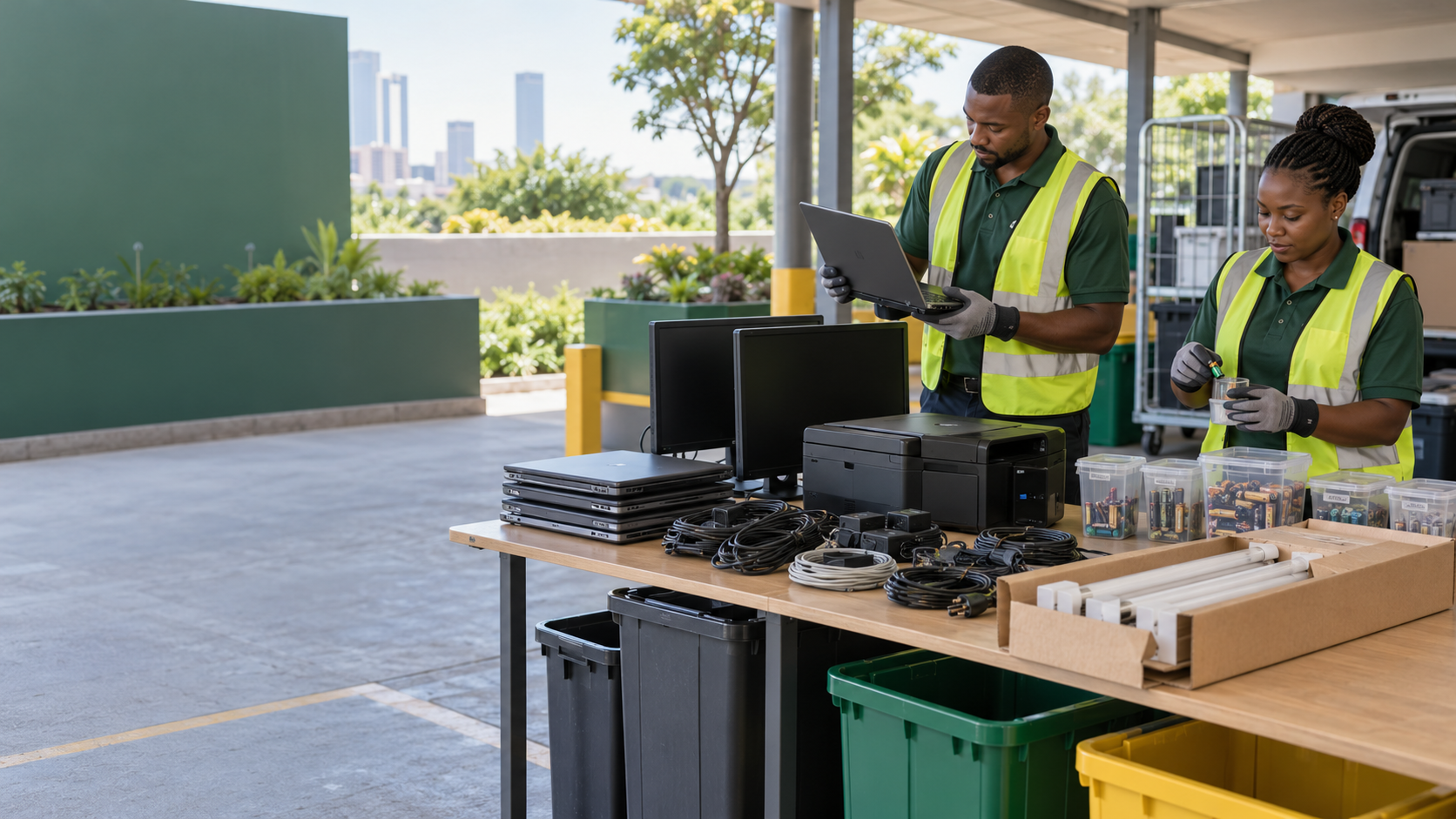
Old stoves and ovens should be identified, separated and assessed according to condition, quantity and access. Prepare an inventory, protect fragile components and separate batteries, lamps and data-bearing equipment. Damaged batteries, refrigerants, glass, mercury-containing lamps and stored data require early disclosure.
Start by identifying old stoves and ovens correctly
Electrical equipment, batteries, lamps and technology-related items needs a different approach from unrelated material placed nearby. Typical examples for this guide include hobs, disconnected electric stoves, ovens. The condition matters: wet, broken, leaking, contaminated or unusually heavy material may need a different route.
Good preparation protects people and usually produces a clearer quote. Keep the stream visible and describe anything that does not match the ordinary examples. Keep connected gas lines or hot equipment out of the load until it has been disclosed and assessed separately.
Start with prevention and use disposal only for the remaining stream
The purpose of this avoidance, reuse, recovery and disposal choices is to define a collection scope that can be checked before dispatch. Count individual items where possible. For loose material, use bag counts, bin sizes, pile dimensions or a familiar object in photographs to show scale.
Separate
Prepare an inventory, protect fragile components and separate batteries, lamps and data-bearing equipment.
Measure
Record item counts, approximate dimensions, container sizes and whether the material is loose or bagged.
Check access
Note gates, stairs, lifts, carrying distance, parking, security rules and permitted service hours.
Disclose risks
Damaged batteries, refrigerants, glass, mercury-containing lamps and stored data require early disclosure. Mention anything unusual before the quote is confirmed.
A practical preparation sequence
- Photograph the whole job. Include a wide view, close-ups and the route from the material to vehicle parking.
- Remove unrelated items. Keep approved old stoves and ovens separate from connected gas lines or hot equipment.
- Stabilise the load. Close suitable bags or containers, stack only where stable and keep walkways clear.
- Confirm the site contact. Make sure someone can provide access and explain the agreed scope.
- Report changes. If the amount or material changes, send updated photographs before collection day.
For this topic, the useful focus is to start with prevention and use disposal only for the remaining stream. That reduces avoidable loading changes and helps match the job to a practical crew, vehicle, bin or specialist arrangement.
What should not be mixed into the load?
Do not hide connected gas lines or hot equipment inside bags, boxes or piles. Also declare liquids, batteries, cylinders, healthcare waste, suspected asbestos, chemicals and unknown containers. A mixed load can require reassessment or a different collection plan.
If an item is reusable, keep it clean, dry and separate while options are considered. If the material may be controlled, do not open, smell, break or combine it with anything else.
Information CITY WASTE needs for a useful quote
- Full Gauteng collection address or map pin
- Wide and close-up photographs of old stoves and ovens
- Item count, bag count, volume or dimensions
- Condition, contamination and any labels
- Stairs, lifts, gates, parking and carrying distance
- Preferred date and any site time restrictions
CITY WASTE can assess Gauteng location enquiries for this stream through the related Appliance removal service. Availability, acceptance and final scope are confirmed for the actual address and material.
Frequently asked questions
What is the first step with old stoves and ovens?
Separate it from unrelated waste, photograph it clearly and record the amount. Do not assume mixed or unusual material is included.
Can old stoves and ovens be reused before disposal?
Possibly, depending on condition, contamination, safety and practical demand. Keep suitable material clean and separate while that option is assessed.
What commonly changes the quote?
Extra volume, heavy material, stairs, long carrying distances, restricted access, loading assistance and undisclosed controlled contents can all change the planned work.
Can I book from photographs?
Photographs are the fastest starting point. Large, mixed, liquid, hazardous or technically complex work may still require further information or a site assessment.